Picture a high school junior at the kitchen table on a school night. In one evening she reads a chapter for English, fills out an online job application, asks an AI chatbot to explain a chemistry problem, and tries to figure out why her first paycheck came in smaller than she expected.
That is four kinds of literacy in one night: reading, using technology well, knowing when to trust AI and when to question it, and understanding money. When I started my career as a paraprofessional in Mattoon, "literacy" meant the first one. Today a student needs all four, and all four grow from the same root. That root is the habit of reading carefully and asking, "Is this true, and what do I do with it?"
You'll sometimes hear that education just swings back and forth and never really changes. That isn't what I see in Kane County. Here is what I see happening across our nine districts.
Reading still comes first
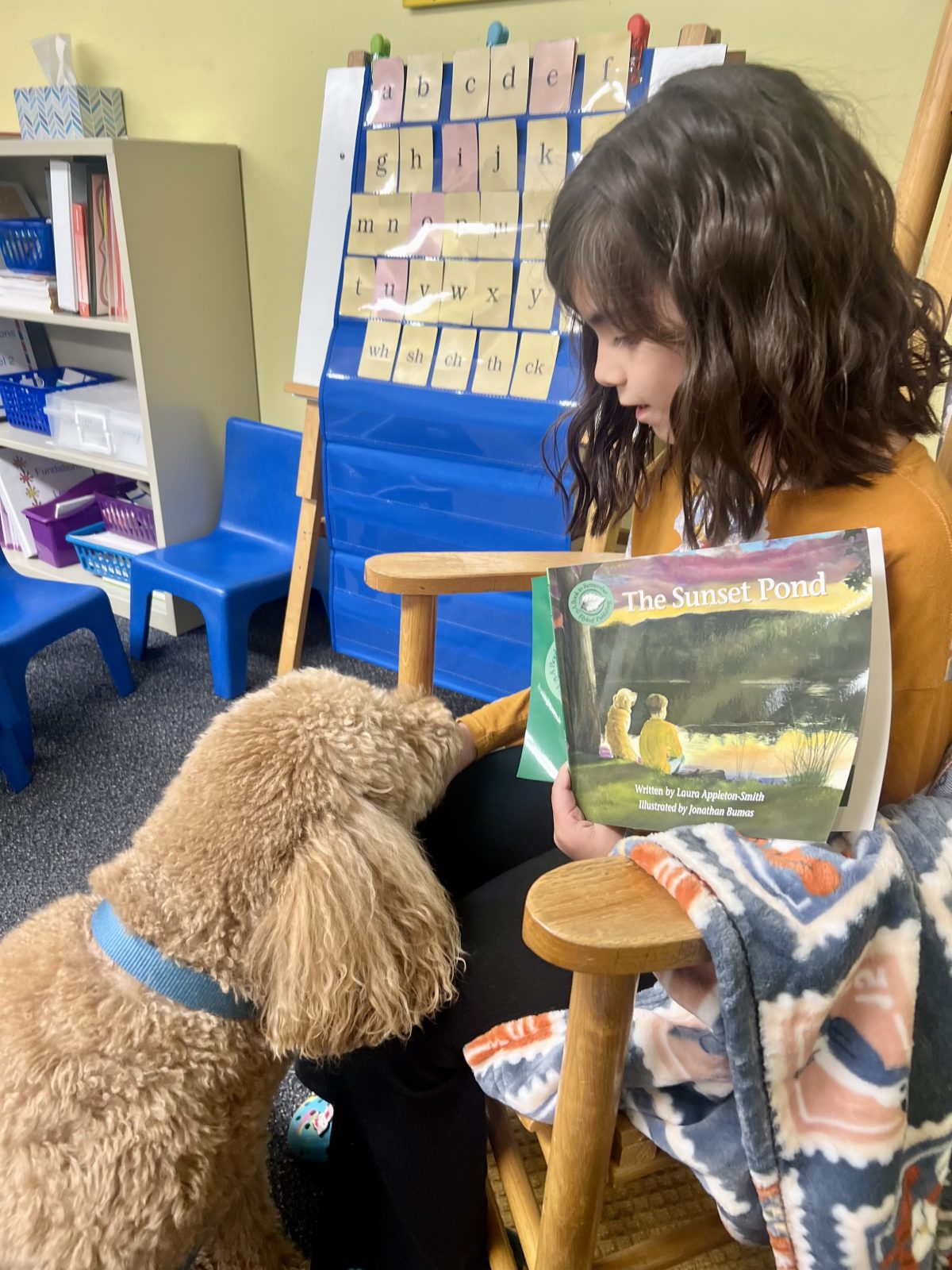
Everything else depends on it. A student who can't read closely can't evaluate a website, check an AI answer, or understand the fine print on a loan.
In January 2024, the Illinois State Board of Education adopted the Illinois Comprehensive Literacy Plan, a statewide roadmap for evidence-based reading instruction. It adds no new mandates. It gives districts a shared framework and the support to build their own literacy plans. Regional Offices of Education across Illinois have been ISBE's partners in bringing that work to the field.
Our nine districts are in different places, and that's how it should be. Each one knows its students. The Regional Office's job is to connect them. Every month we bring together instructional coaches, learning leaders and student services teams from across the county, so a reading strategy that works in one district doesn't stay a secret from the other eight.
Literacy also starts long before kindergarten. That's why I serve on the Birth to Five Illinois Action Council for Kane County. The words a child hears at age two show up in how that child reads at age eight.
Writing matters too. As a member of VFW Post 1197 in Batavia, I bring the Patriot's Pen and Voice of Democracy essay contests to our schools. Students write for a real audience, about what it means to be an American, with real recognition on the line.
Computer literacy: more than knowing how to scroll
Our kids grow up with phones in their hands, but being comfortable with a phone isn't the same as being computer literate. Real computer literacy means writing a professional email, keeping files organized, protecting a password, spotting a phishing scam, and understanding where your personal data goes.
For some students it also means building things. Our career pathways through VALEES and Northern Region 110 EFE give students hands-on technical training and industry credentials. Across the county, schools are also rethinking how technology gets used in the classroom: less screen time for its own sake, more technology with a clear purpose.
AI literacy: trust, but verify
This is the one that moved fastest. In 2025, the General Assembly passed a law directing ISBE to write statewide guidance on artificial intelligence in schools. ISBE released that guidance on July 9 of this year. It runs over 400 pages, and its message is clear: AI is a tool to support teachers, not replace them, and students need AI literacy and good digital citizenship. Illinois law now also expects internet safety lessons to cover fake images and videos made with AI.
What the guidance does not do is hand every district a single policy to adopt. Each district has to write its own.
We didn't wait. Before the state guidance arrived, our Assistant Regional Superintendent, Katie Algrim, wrote and won a $22,706 Computer and Science Equity grant to bring CoSN AI policy training to Kane County. Katie is the only certified CoSN AI policy trainer in Illinois, and she is personally leading that training with district leadership teams. She is helping them think through privacy, academic honesty, and what appropriate classroom use looks like, so policy comes before problems instead of after. That is the kind of expertise our districts have right here in their Regional Office. Katie was selected to be on the Illinois State Board of Education's Artificial Intelligence Workgroup.
For a student, AI literacy comes down to a few habits. Know that AI can sound confident and still be wrong. Check its work. Be honest about when you used it. Don't feed it personal information. And learn to recognize when an image or video isn't real.
Financial literacy: the lesson that follows them home
Illinois requires consumer education in high school, and financial literacy can count toward the social studies requirement. Lawmakers have filed bills to require a stand-alone personal finance course, but none has passed yet. Our students can't wait on Springfield, and neither can we.
The place I see this most clearly is our education program at the Kane County Juvenile Justice Center. While working with Northern Region 110 EFE, I learned about Transfr, a virtual reality platform for career exploration. We brought the headsets to the JJC, where students now use them for career exploration, job skills and financial literacy. These are young people who need a direction and a plan for when they leave, and understanding money is part of that plan.
I also serve on the Kane County Workforce Development Board, where I chair the One Stop Committee and sit on the Youth Committee. Through the board's youth partners, residents ages 16 to 24 can get paid work experience and internships. A first paycheck is the best financial literacy lesson there is, as long as someone helps the student understand it.
How it all fits together
I don't run anyone's classrooms. Our nine districts have their own boards, their own leaders and their own plans. The Regional Office of Education is the place where they come together. Every month we host networks for human resources, business officials, finance directors, instructional coaches, learning leaders, student services, safety teams and superintendents. All four literacies come up in those rooms, and the ideas travel from there.
We also bring partners to the table: employers through our chambers of commerce, the workforce board, early childhood leaders, the EFE systems, and veterans' organizations. No single district can do all of this alone. Together, they don't have to.
Four things you can do at home this week
- Read together, and ask "How do you know?" That question builds every kind of literacy.
- Ask your child to show you how they use AI for schoolwork, and how they check whether it's right.
- Hand your teenager a real bill or pay stub and walk through it together.
- Ask your school about its literacy plan and its AI policy. Good schools are glad to tell you.
I've spent over 28 years in Illinois public schools, starting as a paraprofessional and working through every level since. The goal hasn't changed: every student leaves us able to read the world, question it, and make good decisions in it. That's work I'm proud to do, and work I want to keep doing.
John K. Jonak is the Kane County Regional Superintendent of Schools and a candidate for that office on November 3, 2026. Learn more at johnjonak.com.
Paid for by Jonak for Kane County Schools.